
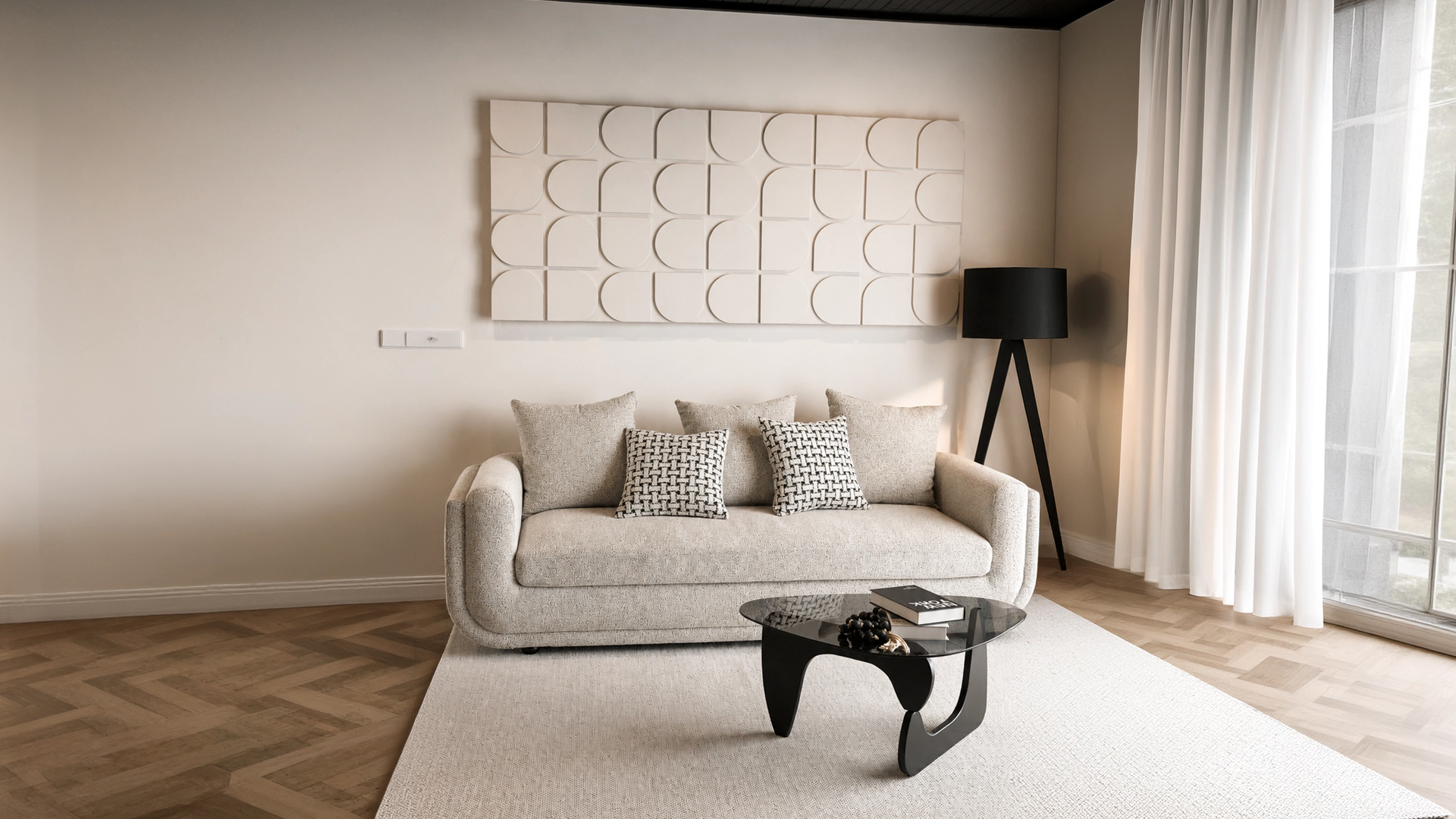
Building a custom home gives you the freedom to plan around the way your family lives and the features you have always wanted. You might picture a generous kitchen with a butler’s pantry, a dedicated pooja room, a theatre, a statement staircase or a backyard made for weekend gatherings. Perhaps you also want larger bedrooms, a study, a second living area or a beautiful facade. With so many possibilities, it is easy for the wish list to keep growing.
The challenge is not deciding what you like. It is understanding which features matter most, why you want them and how they can work together within your block and budget. Looking beyond the name of each room can help you make those decisions without losing sight of the home you have imagined.
Essentials to Prioritise Your Custom Home Around
When deciding what deserves priority in your custom home, it helps to think through three different lenses.
Practicality
Start by understanding the smallest inconveniences you have in your current home. These can include lack of:
- Better storage
- A more functional kitchen
- An extra bathroom
- A proper study
- Improved bedroom zoning
- Space for school bags, shoes and everyday clutter
Assessing these early helps in making your custom home become more functional.
Lifestyle
Next, think about the activities you want your home to make room for. Maybe it’s:
- Family gathering around the kitchen
- Grandparents staying comfortably
- Prayer being part of everyday family life
- Children playing outside while you remain connected from inside
- Weekend barbecues
- Evening tea in the backyard
- Teenagers having more privacy
- Entertaining friends and extended family
These are the things that help the home support your life.
Dreams
Not every choice needs to solve a problem. You may have pictured a light-filled void, oversized windows, a striking staircase or a luxurious master suite for years. A dedicated pooja room may also be important because prayer is part of your family’s everyday life. These features can bring a sense of joy, identity or pride that is difficult to measure in terms of convenience alone.
If something matters to you, it deserves a place in the conversation. Prioritising is not about dismissing a feature because it is a want rather than a need. It is about being clear about its importance and considering how it can fit into the wider design.
Start With the Outcome, Not Just the Feature
Even when something is important, understanding why it matters can help the design respond better. You might say: “We want a bigger kitchen.”
But why?
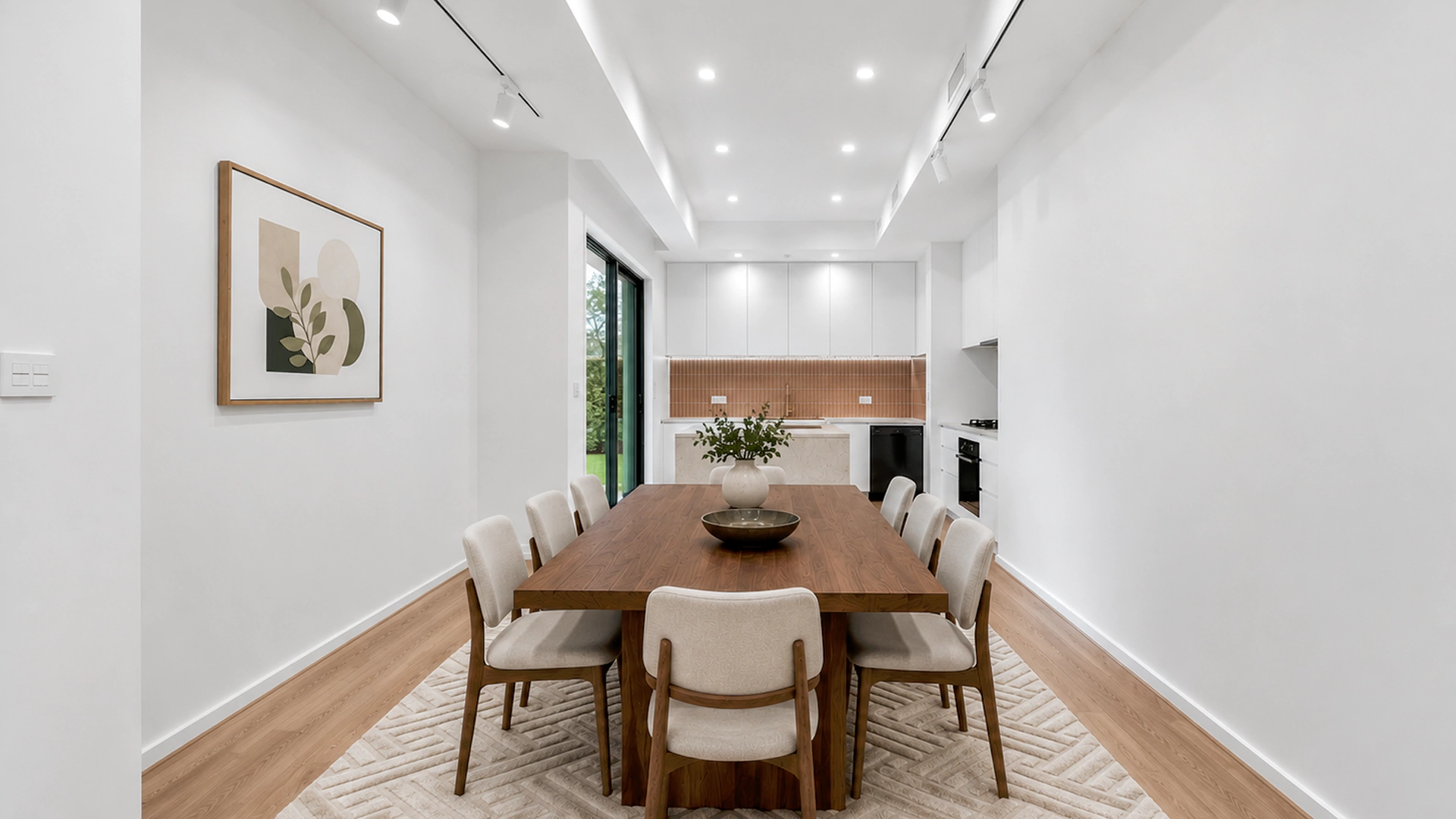
The reasons can be diverse. Maybe several people in the family cook together. Perhaps weekends regularly mean friends and family gathering around food, or the current kitchen becomes crowded every evening. Now the bigger kitchen isn't just about more cabinetry or a larger island. It is supporting something that genuinely matters.
That makes it a meaningful priority. But not every priority needs to be practical. For example, imagine, you have always wanted a void and beautiful staircase in your home. There might not be a long explanation for it. Perhaps you’re in love with the sense of openness and volume every time you walk into a home. And for years you’ve pictured it in your eyes.
If that feature matters deeply and fits within the overall project, it deserves to be part of the conversation.
The purpose of prioritising is not to talk people out of their dreams. It is to identify what you really want to protect.
Choose Custom Home Features That Suit Your Family
It is easy to walk through a display home and think:
“We should have that too.”
A theatre, large butler's pantry, guest suite, study, second living room, void or bigger master suite can all be valuable. But that value will be different for every family.
Take a theatre room.
For one family, Friday-night movies are part of family life. Everyone gathers there, so the room would genuinely be used. Another family may simply love the idea of having a proper theatre because it has always been part of their dream home. That is valid too.
Similarly, you may look at the same space and decide they would rather use it for:
- A study
- A kids' retreat
- A larger family room
- Extra storage
- More backyard
There is no universal right answer. But you can identify the spaces that are likely to remain useful and plan for a little flexibility where it makes sense.
Remember the Features That Carry Personal Meaning
Some of the most important choices are not necessarily the largest. A dedicated pooja room, for example, may not be the largest room in the home, but for a family where prayer is part of everyday life, having a peaceful and intentional space may matter far more than another feature elsewhere.
The same applies to an extra ensuite for parents who stay regularly, a proper study for someone working from home four days a week, or enough storage so school bags, shoes, appliances, linen and everyday clutter finally have somewhere to go.
On paper, storage can sound boring. In real life, good storage means less mess, calmer mornings and a home that feels easier to live in. That's the value you're really choosing.
Does a Custom Home Need to Be Smaller to Be Smarter?
Prioritising does not automatically mean building a smaller home. Some families genuinely want generous bedrooms, several living areas, guest accommodation, a theatre, a home office, a pooja room, a large kitchen and space for entertaining. If the land, budget and overall design support those choices, there is no reason to rule them out simply to keep the floor plan compact.
The goal isn't: “How small can we make the home?” The better question is: “What size and design will best support the life and home we want to create?”
The aim is to build a home that reflects your needs and aspirations. What matters is finding the right balance between the space you want, the features you value and the life you hope to create in your new home.
Two Families Can Start with the Same Wish List
Imagine two families with similar blocks and similar budgets.
Both initially say they want:
Four bedrooms | Theatre | Study | Large kitchen | Butler's pantry | Outdoor entertaining
Their wish lists look almost identical. But their lives and their dreams are not.
Family one: Time together
They entertain extended family regularly. Cooking together is a big part of family life; their parents stay often, and weekends usually involve food, family and time outside. They may focus on connection between:
- The kitchen
- Butler's pantry
- Family dining
- Backyard connection
- Comfortable guest accommodation
The theatre could remain on the list, but it may be less important than spaces everyone uses together.
Family two: Room to spread out
Both parents work partly from home. Their children are becoming teenagers, so they value privacy and quieter spaces. But one thing they have also always wanted is a dramatic staircase and void when they enter their home. Their priorities may become:
- A proper study
- Second living area
- Better bedroom zoning
- Generous storage
- A statement staircase and void
Neither set of choices is automatically better. The comparison shows why a wish list is only the beginning. Your home should respond to your own routines, relationships and aspirations rather than follow another family’s plan.
A Simple Way to Prioritise Your Custom Home Design
You do not need to rank fifty features. Neither do you need to prepare a complicated spreadsheet.
Start with: If our new home could improve five things about the way we live, what would they be? Then add another question: What are the few things we have always dreamed of having in our home?
Now you may have answers like:
- Make cooking and entertaining easier.
- Give our children more independence as they grow.
- Create a proper place for prayer.
- Make working from home more comfortable.
- Give us a better connection to the backyard.
Your personal wish list might include a beautiful facade, a generous master suite, a theatre or the staircase you have pictured for years.
Keeping these two lists separate can make it easier to see what you value. It also gives you a starting point for discussions about the design. You can explain what you hope to achieve without needing to arrive with exact room dimensions or a finished floor plan.
Use Your Priorities When Decisions Get Difficult
At some point, almost every project involves decisions.
Making the house larger may reduce backyard space. A theatre may compete with study space. Larger bedrooms may increase the overall footprint. A large butler's pantry could change how the kitchen works. A void or staircase may influence other parts of the floor plan. A double-storey design may give you more room while also changing cost, accessibility or how the family moves through the home.
Rather than asking only what can be removed, ask what you want to protect and where you could consider another solution. Perhaps the study could be designed as part of a quieter zone upstairs, or a flexible living area could serve more than one purpose. The answer will depend on your site, budget and design, but a clear set of priorities gives the discussion direction.
Work With Your Custom Home Builder and Design Team
This is also where the right builder and design team should make the process easier. Your job is not to arrive knowing:
- Exact room dimensions
- Perfect layout
- What should sit beside what
- How large the pantry needs to be
- Whether a study nook or full study works better
- How the void should work
- Whether the theatre should stay or go
- How to fit every dream into the block
Your job is to help explain: “These are the things that matter to us.” And: “These are the things we have always dreamed of.”
Your builder and design team's job is to help explore:
“What is the best way to bring those things together within your land, budget and overall vision?”
That is an important difference.
A good custom-home process should not make you feel like you need to become a designer. It should help you make better decisions with the right guidance.
Build Around What Matters to You
A custom home should reflect more than a collection of rooms. It should make sense for the way your family lives while leaving room for the features that make the home feel like yours. For one household, that might mean a kitchen where everyone gathers; for another, a quiet pooja room, a comfortable home office or a generous master suite. A statement staircase, a theatre or a larger home can be just as important when those are the features you have always wanted.
You do not have to decide everything at once. Begin with what you need, what you enjoy and what you have pictured for years. Once those priorities are clear, your builder and design team can help explore how they might come together in a home that suits your family.
Planning Your Custom Home?
At SHRI Homes, we can help you work through the important decisions, from clarifying your vision and priorities to exploring design, specifications, selections and construction. Get in touch to discuss the home you want to create and the features that matter most to you.