
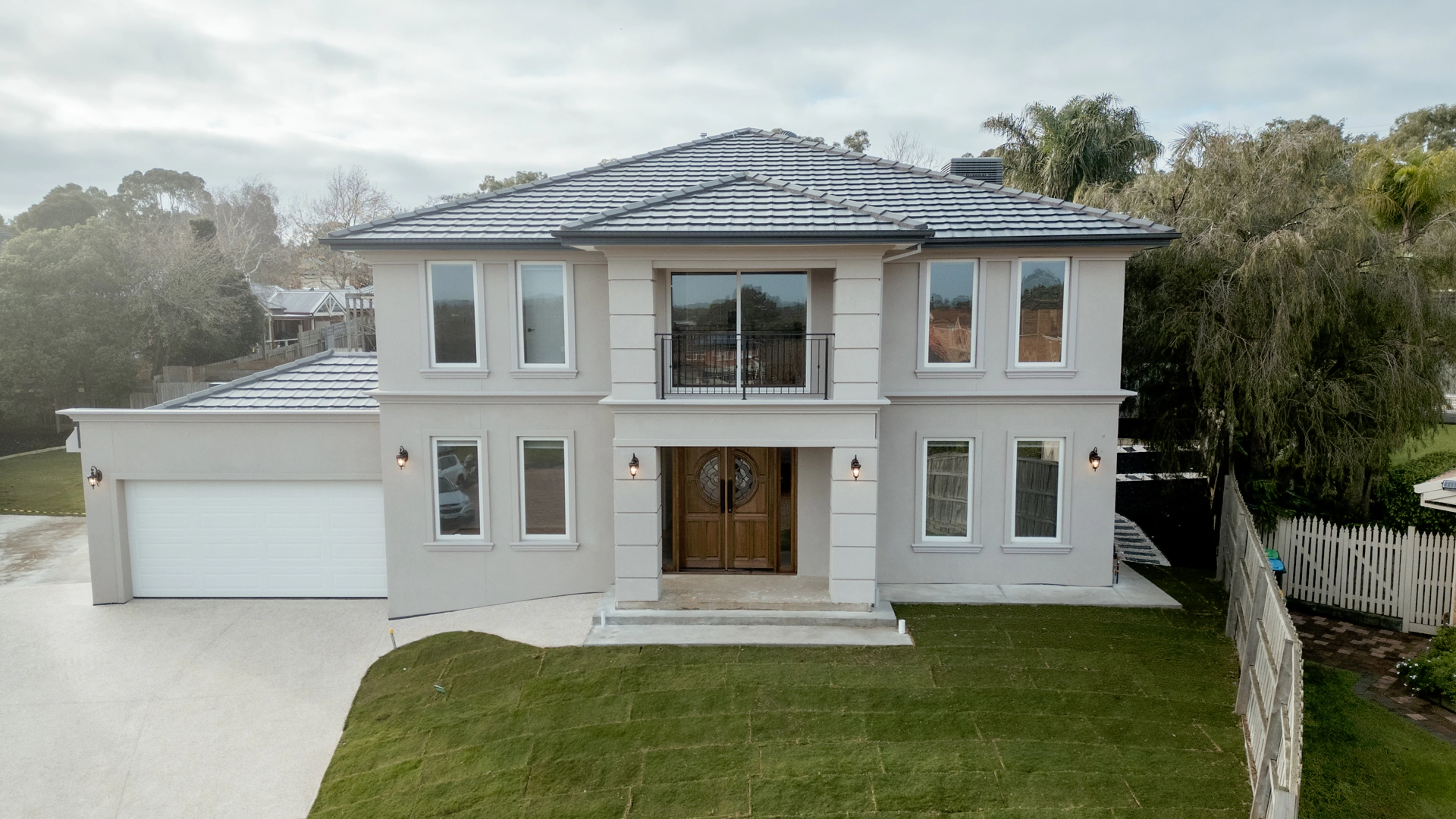
A lot of families delay speaking to a custom-home builder for one simple reason: they think they are not ready yet. They may be thinking: “We should probably sort out the floor plan first,” or “We need to know exactly what we want before we meet anyone,” or “We still have questions about the land, budget, and inclusions.”
It can feel like you need to arrive with everything worked out. You don’t.
In fact, one of the reasons to speak with the right custom-home builder is to help you work through the things you don't know yet. A good first consultation shouldn't test how prepared you are. It should help you become clearer about what happens next.
You Probably Know More Than You Think
By the time most families start seriously thinking about a custom home, they already know quite a lot. You may already understand what frustrates you about your current home, the kind of lifestyle you want, how important the backyard is, whether you entertain regularly, whether parents stay with you, or whether a study or pooja room is important.
You might also know some of the things you've always dreamed of: a beautiful facade, wider entry, large kitchen and butler's pantry, a void and statement staircase, a theatre, generous master suite, or stronger indoor-outdoor connection.
You may not know exactly how all of those things fit together yet. That's okay. You already have the beginning of a useful conversation.
You Don’t Need a Finished Floor Plan
This is one of the biggest misconceptions.
You don't need to arrive with:
- Final plans
- Exact room dimensions
- A complete layout
- Every inclusion decided
- Colour selections
- Electrical plans
- Exact product choices
Those things come later.
At the early stage, it is much more useful to understand one thing: What are we trying to create?
That means talking about your family, lifestyle, current home, what you want to improve, what matters most, what you've always wanted, your land position, and your broad budget direction.
The design can grow from there.
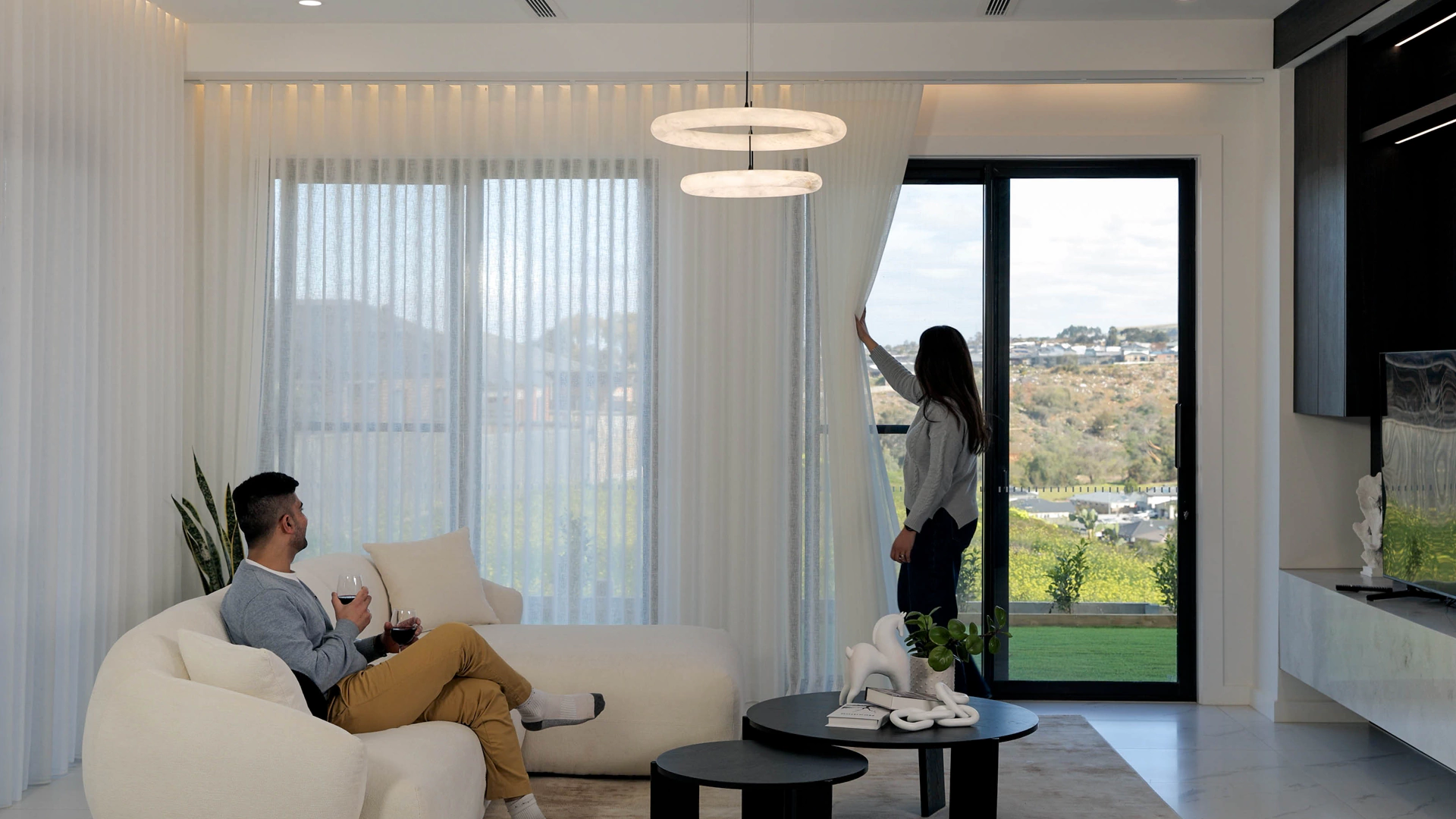
A Good First Conversation Should Start with Your Life
Imagine two families both say:
“We want a four-bedroom double-storey home.”
That tells us very little.
One family may have young children and want the kitchen, living area, and backyard to feel connected. Another may have teenagers, parents who stay regularly, and a greater need for privacy.
One family may want a dedicated pooja room, while another may care deeply about having a large study because both parents work from home. Someone else might have always dreamed of a beautiful void, statement staircase, and striking facade.
Same number of bedrooms.
Completely different home.
That's why a useful early conversation should begin with the people, not just the floor plan.
You Can Talk About Dreams Too
Your first conversation doesn't need to be purely practical. A custom home isn't simply about solving problems; it's also about creating something you've worked towards and imagined.
Maybe there are things you've always wanted: a theatre, a larger master suite, a statement staircase, a particular facade style, a beautiful kitchen, or simply a home that feels open, spacious, and full of light.
Bring those ideas into the conversation too.
You don't need to know exactly how to achieve them. The important thing is that the builder understands what matters to you.
Practicality. Lifestyle. Dreams.
All three belong in the conversation.
What If You Haven’t Finalised the Land?
You can still have a useful conversation.
You might already own the land, have signed a contract, be considering a few different blocks, be planning a knockdown-rebuild, or still be searching.
Early builder input can be valuable because the block can influence:
- Home size
- Orientation
- Backyard space
- Driveway position
- Privacy
- Natural light
- Slope and access
- Planning requirements
- Design possibilities
Sometimes a conversation before buying or finalising land can help you ask better questions.
You don't need every answer immediately; you just need to know what deserves attention next.
What If Your Budget Is Not Exact Yet?
That's also common.
You should have some idea of the budget direction you're comfortable with, but you don't need every number worked out before an early discussion.
A useful conversation can begin by connecting what you want to build with the type of home you're considering, your land, the features that matter most, and the areas where you may want to invest more.
The goal at this stage isn't to lock every dollar.
It's to understand whether the overall direction makes sense and what information is still needed.
A Relatable Example
Imagine a family says:
“We're probably not ready to meet a builder because we haven't finalised the plan.”
But after a short conversation, they often realise they already have a clearer picture than they thought. They know they want four bedrooms, need space for their parents to stay regularly, and would like a dedicated pooja room. They enjoy entertaining, want a spacious kitchen, love the idea of a void and statement staircase, and want the living area to flow seamlessly into the backyard. They may also have a broad budget in mind and a particular block they’re considering.
That's already enough to have a very useful conversation.
What they DON'T need to know yet:
- Whether the kitchen island is 3 metres or 3.2 metres
- Exactly where every wall should go
- Which tiles they want
- How many downlights they need
- The exact colour of the cabinetry
Those decisions come later.
The first conversation should help turn what they already know into a clearer direction.
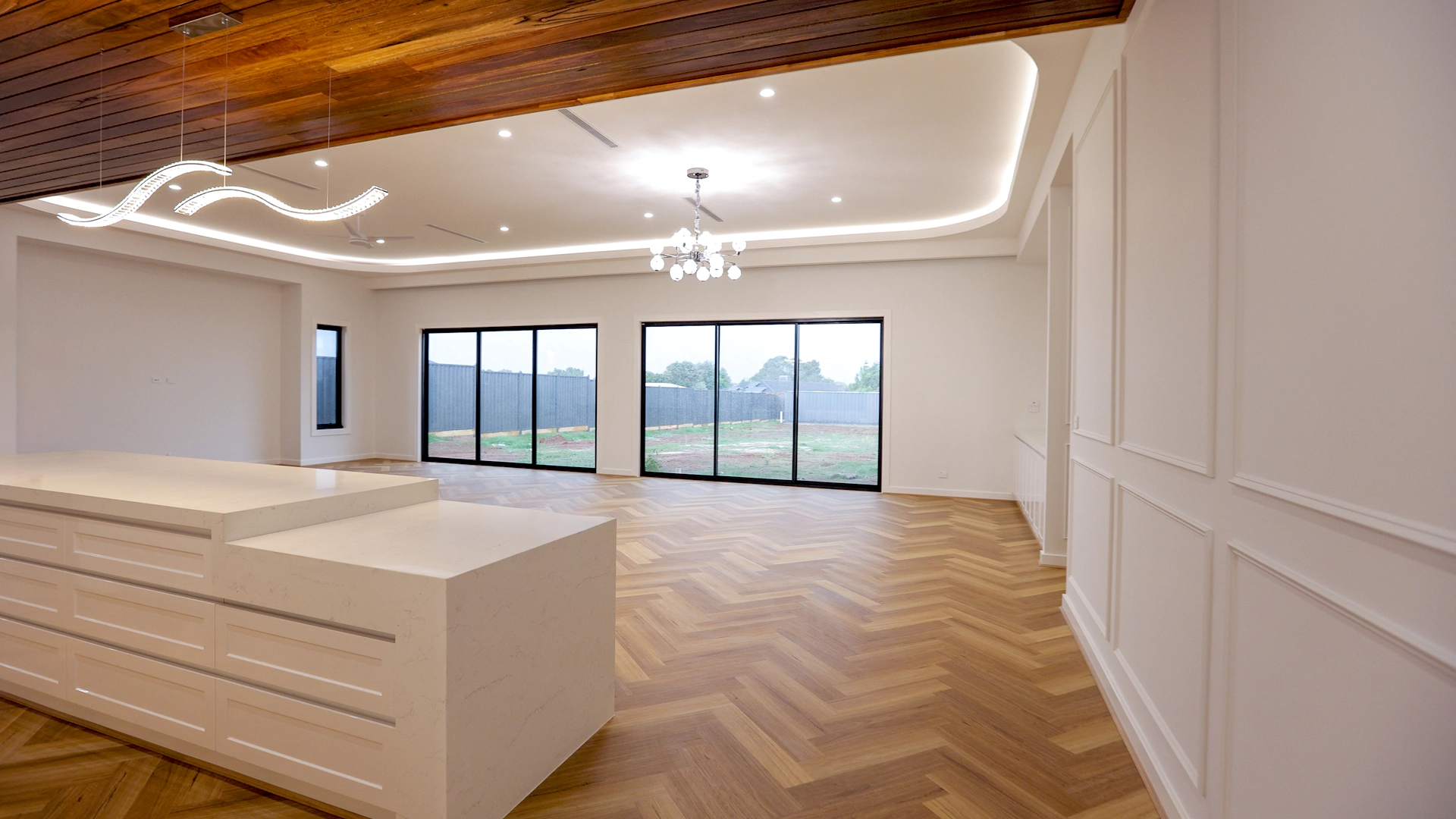
What Should You Bring to the First Meeting?
Keep it simple.
If you have them, bring:
- Land details or address
- Any existing plans
- Photos or inspiration you've saved
- Things you like in other homes
- Things that frustrate you in your current home
- Lifestyle priorities
- Dream features
- A broad budget direction
But don't delay the meeting because you're missing some of these.
Bring what you have, and the rest can be worked through.
What Should a Good Builder Help You Understand?
This is where the value of the conversation should become clear.
A good consultation should help you understand:
- Your main priorities
- What information is still missing
- What needs to be investigated about the land
- What decisions can wait
- What needs attention now
- What the logical next step is
- Whether the overall direction is realistic
- What the early pathway might look like
You should leave the conversation with more clarity than you arrived with, not more confusion or fifty new things to worry about.
The First Meeting Should Not Feel Like an Exam
This is important. You shouldn't feel like you need to understand building terminology, feel embarrassed because you don't know the right answer, or feel that you need to justify every idea. And you shouldn't feel pressured to make major decisions immediately.
A good first conversation should feel more like:
“Tell us what you're trying to create. Let's understand where you are and work out the next sensible step.”
That's the role of the right guidance.
The Client Does Not Need to Become the Expert
The client brings:
- their family
- their experiences
- their priorities
- their frustrations
- their inspiration
- their dreams
The builder and design team bring:
- experience
- questions
- practical knowledge
- site understanding
- design guidance
- process
- the pathway
You do not need to do both jobs. That is the value of working with the right team.
You bring the vision, and the right builder helps you work out how to get there.
When Is the Right Time to Speak to a Builder?
Probably earlier than many people think.
You don't need to wait until the floor plan is finished, every inclusion is decided, all selections are made, or every question is answered.
If you already have some direction, some ideas, a block or potential land, a broad budget, and an understanding of the things that matter to your family, that can be enough to begin a useful conversation.
You don't need to be finished. You just need somewhere meaningful to begin.
Key Takeaway
You don't need all the answers before speaking to a custom-home builder.
You need enough clarity to begin the right conversation.
Bring what you know, what matters, what you like, and the things you've always dreamed about.
Then let the right builder help you understand:
What happens next?
A good custom-home journey should become clearer as you move through it, not more complicated.
That's what good guidance should do.
Planning Your Custom Home?
Our Custom Home Planning Guide has been created to help you understand the journey one step at a time, from defining your vision through to design, selections, and construction.
It's not designed to turn you into a building expert. It's designed to help you ask better questions, make clearer decisions, and feel more confident about what comes next.
SHRI Homes
Custom Homes, Made Easy.