
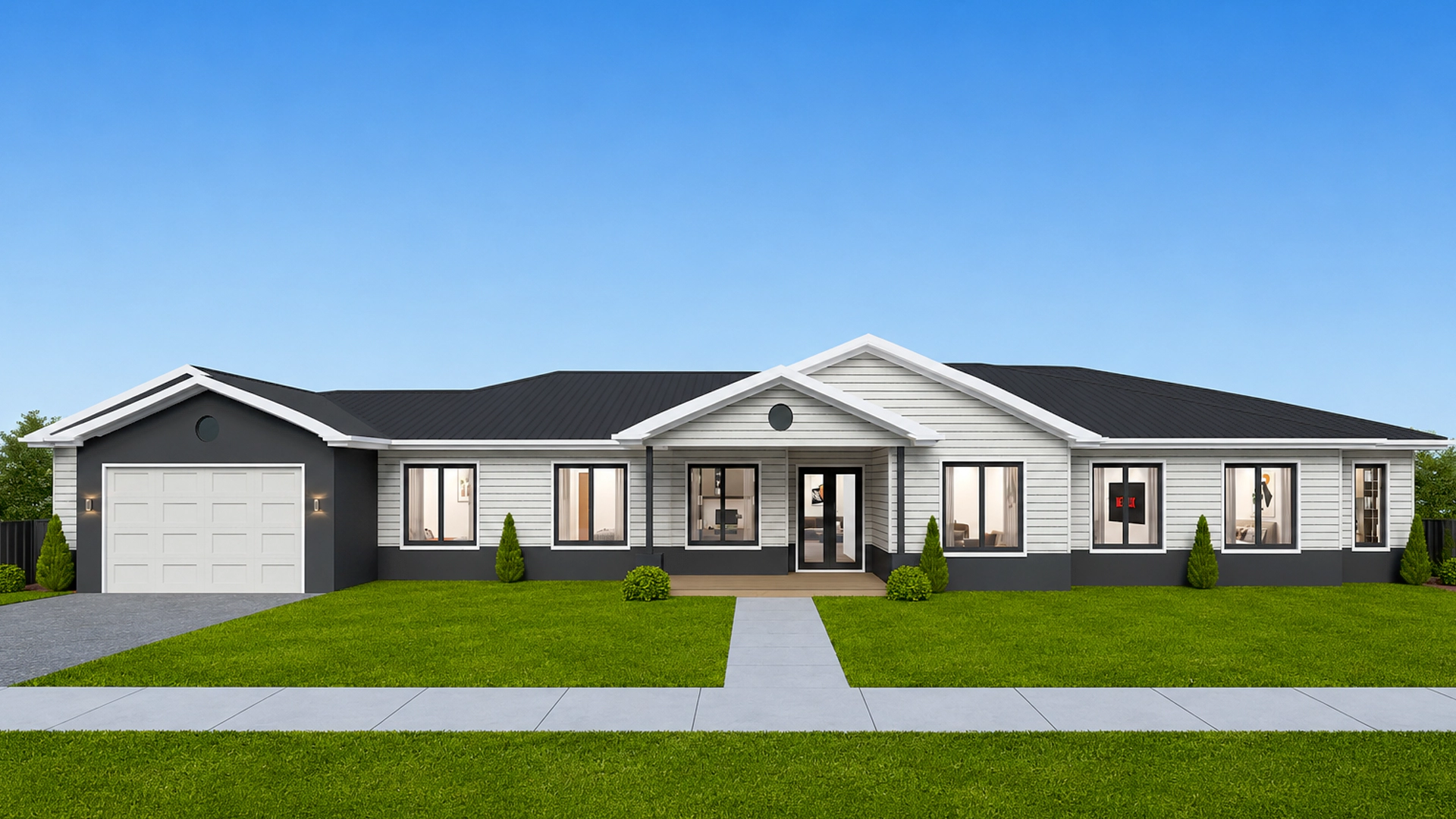
For many families, one of the hardest questions at the beginning of a custom-home journey is also one of the simplest to ask:
“What should our budget actually be?”
You may know roughly what the bank is willing to lend. You may have savings or equity available. You may have looked at homes online and spoken to friends. You may even have heard completely different numbers from different builders.
But that still does not necessarily answer the real question:“How much are we comfortable investing in the home we actually want to create?”
Those are two different things. And understanding that difference can remove a lot of uncertainty from the beginning of the journey.
Your Maximum Borrowing Capacity Is Not Automatically Your Custom Home Budget
A bank may tell you what you are able to borrow and that is useful information. But it does not necessarily tell you what you should spend.
One family may be comfortable using most of the amount available to them because this is the home they have been working towards for years. Another family with exactly the same borrowing capacity may deliberately choose to spend less because they want greater financial flexibility after the home is finished. Neither approach is automatically right or wrong.
The better starting question is: “What level of investment are we genuinely comfortable with?”
The budget should allow you to feel excited about the home without feeling uncomfortable about the financial commitment behind it. That is a personal decision.
Your lender or financial adviser can help you understand the financial side. Your custom home builder's role is different: to help you understand what the home you are trying to create may require.
Don’t Set a Custom Home Budget Without Thinking About the Design
There is another side to the conversation. Sometimes clients choose a budget first without really thinking about what they expect the home to include.
For example, imagine a client says:
“We want to keep the build around this amount.”
But they are also imagining:
- A striking facade
- Four or five bedrooms
- Multiple living areas
- A large kitchen
- Butler’s pantry
- Dedicated study
- Pooja room
- Theatre
- Void and statement staircase
- Generous master suite
- Extensive cabinetry
- Strong outdoor connection
- Particular finishes and features
There is nothing wrong with wanting those things. That may be exactly the custom home they have worked towards. But the budget and the vision eventually need to meet each other.
The purpose of an early budget conversation is not to tell the client, “You can’t have that.” It is to begin understanding: “This is what we would like to create. What sort of investment direction does that suggest?”
That is a much more useful conversation.
Plan Your Custom Home Budget Around Three Priorities
We return to this throughout the custom home building process because it matters. Your home will usually contain a combination of:
Practicality. Lifestyle. Dreams.
And your budget eventually needs to support all three.
Practicality
These are the things that help the home work properly for everyday life.
Perhaps:
- Better storage
- Additional bathrooms
- Comfortable bedrooms
- A functional kitchen
- A home office
- Better zoning
- Space for parents
- Future needs as children grow
These may not always be the most visually exciting decisions, but you will experience their value every day.
Lifestyle
These are the decisions that support the way your family wants to live.
Maybe your weekends often involve family, food and time outside. A strong connection between the kitchen, living area and backyard may matter greatly.
Perhaps grandparents stay regularly. Maybe prayer is part of everyday family life, and a dedicated pooja room is important. Perhaps both parents work from home. Or the children are becoming teenagers and need more independence.
These requirements come from your actual life.
Dreams
And then there may be things you simply want because this is the home you have imagined.
A beautiful facade, a dramatic staircase, a void, a proper theatre, a luxurious master suite, a particular architectural feature, higher ceilings or a kitchen that makes you smile every time you walk into it.
These are valid too. You do not have to turn your custom home into a purely practical exercise.
For many people, this may be the second or third home they have owned. They have already learned what they like, they have worked hard and this time they want something different.
The role of budgeting is not to remove those aspirations. It is to help you understand how they fit within the overall home you want to create.
What If You Haven’t Finalised the Land?
You can still have a useful conversation.
You might already own the land, have signed a contract, be considering a few different blocks, be planning a knockdown-rebuild, or still be searching.
Early builder input can be valuable because the block can influence:
- Home size
- Orientation
- Backyard space
- Driveway position
- Privacy
- Natural light
- Slope and access
- Planning requirements
- Design possibilities
Sometimes a conversation before buying or finalising land can help you ask better questions.
You don't need every answer immediately; you just need to know what deserves attention next.
What If Your Budget Is Not Exact Yet?
That's also common.
You should have some idea of the budget direction you're comfortable with, but you don't need every number worked out before an early discussion.
A useful conversation can begin by connecting what you want to build with the type of home you're considering, your land, the features that matter most, and the areas where you may want to invest more.
The goal at this stage isn't to lock every dollar.
It's to understand whether the overall direction makes sense and what information is still needed.
A Relatable Example
Imagine a family says:
“We're probably not ready to meet a builder because we haven't finalised the plan.”
But after a short conversation, they often realise they already have a clearer picture than they thought. They know they want four bedrooms, need space for their parents to stay regularly, and would like a dedicated pooja room. They enjoy entertaining, want a spacious kitchen, love the idea of a void and statement staircase, and want the living area to flow seamlessly into the backyard. They may also have a broad budget in mind and a particular block they’re considering.
That's already enough to have a very useful conversation.
What they DON'T need to know yet:
- Whether the kitchen island is 3 metres or 3.2 metres
- Exactly where every wall should go
- Which tiles they want
- How many downlights they need
- The exact colour of the cabinetry
Those decisions come later.
The first conversation should help turn what they already know into a clearer direction.
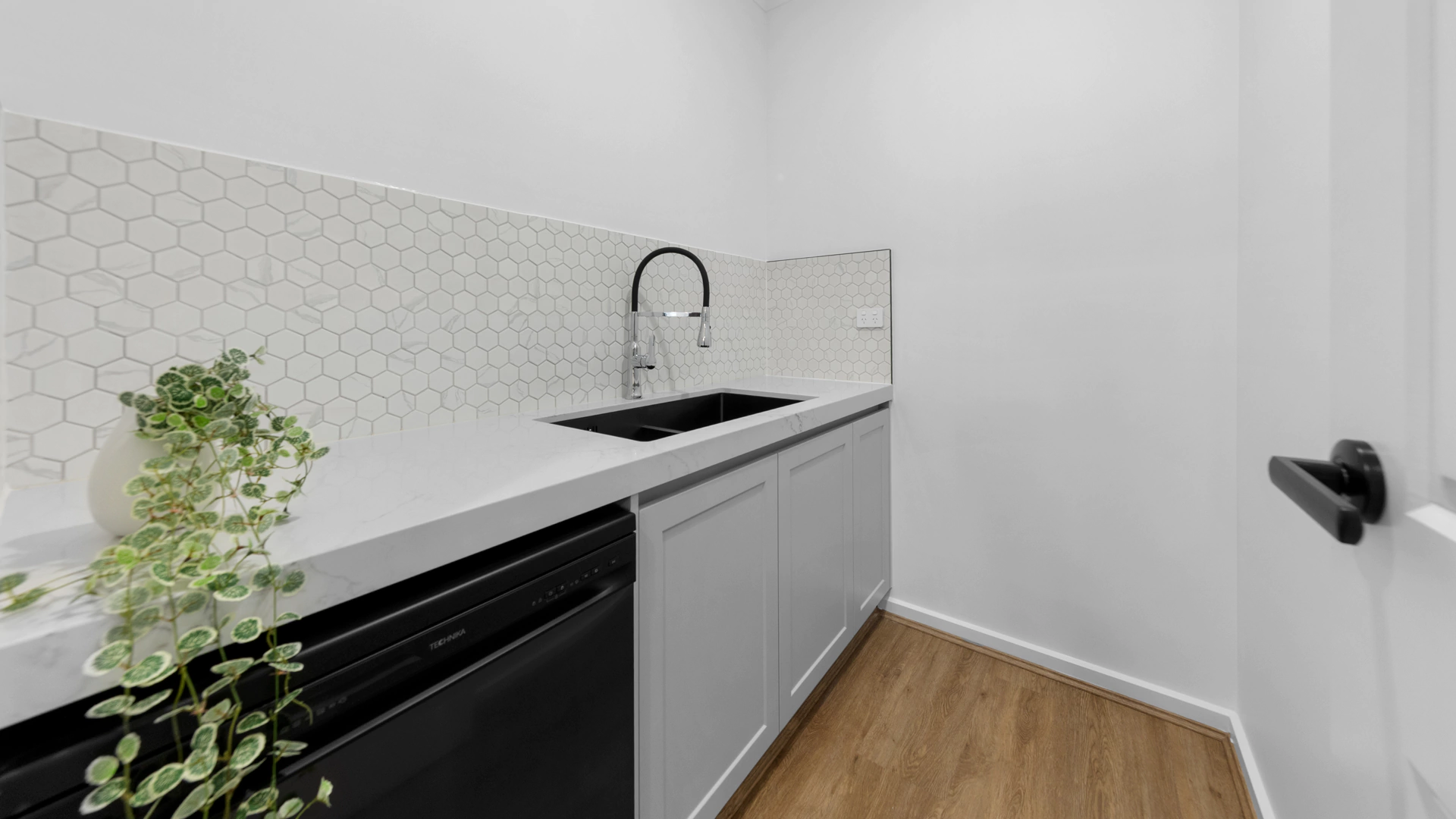
What If Our Custom Home Budget Doesn’t Match Our Vision?
This is one of the most common questions at the beginning. And you do not need to know the answer before speaking to a builder. That is exactly the type of question an early conversation should help clarify.
Imagine you know that you want:
- Four bedrooms
- A study
- A pooja room
- A theatre
- An open kitchen and living area
- Good backyard connection
- A statement staircase and void
- A generous master suite
And you know the broad investment range you are comfortable with. That is already a useful starting point.
You do not need to know whether every room is 3.5 metres or 4 metres. You do not need the exact cabinetry layout. You do not need your tiles selected.
You need enough information to start testing:
Do the vision and investment direction broadly make sense together?
Then the design and costing process can become more informed as the project develops.
Should We Tell Our Custom Home Builder Our Real Budget?
This is another question many clients quietly worry about. They may think:
“If I tell the builder my budget, will everything just somehow cost that amount?”
That concern is understandable. But hiding the budget completely can create a different problem. A designer or builder may spend considerable time developing a home that simply does not align with what you are comfortable investing. Then everyone discovers the mismatch much later. That wastes time and creates disappointment.
You do not necessarily need an exact figure on day one. But sharing a realistic range and being clear about what that range needs to achieve can make the conversation far more productive.
For example:
“This is approximately where we would like the project to sit. These are the things that are most important to us. Help us understand what is realistic.”
That gives your custom home design team something meaningful to work with.
A good builder should not treat your budget as a target to spend simply because it exists. It should be used as one of the boundaries that guides better decisions.
Start With a Realistic Custom Home Budget Range
Clients sometimes feel they need to know:
“Is our budget $780,000 or $815,000?”
That level of precision usually is not necessary at the beginning.
There are still too many things that may need to be understood:
- The land
- The design
- The size and scale of the home
- Site conditions
- Specifications
- Selections
- Priorities
- Particular architectural features
At the early stage, a realistic range can be much more useful than pretending there is certainty where there isn't yet.
For example:
“We would feel comfortable investing somewhere around this range, depending on what the final home includes.”
That allows the conversation to begin. As the design and information become clearer, the numbers can become clearer too.
Clarity should increase as the project develops. You do not need perfect certainty on day one.
The Same Borrowing Capacity Can Lead to Different Budgets
Imagine two families are financially capable of investing the same amount in their new home.
Family One
They want:
- Comfortable family spaces
- Four bedrooms
- Good storage
- A practical kitchen
- A strong backyard connection
They also want to preserve more financial flexibility after moving in. Their comfortable investment level may therefore sit well below the maximum amount available to them.
That may be exactly the right decision for their family.
Family Two
They have been planning this home for many years.
They want:
- A distinctive facade
- Generous entertaining spaces
- Larger kitchen and butler’s pantry
- Theatre
- Statement staircase and void
- Substantial master suite
- Particular finishes
They are comfortable investing more because those features are meaningful to them and this is the home they have been working towards.
That may also be exactly the right decision.
The point is not:
“Who spent less?”
or:
“Who built more?”
The point is:
Did the investment match what mattered to that family and what they were comfortable committing?
That is the more useful measure.
Does Price Per Square Metre Help When Budgeting for a Custom Home?
Clients often hear people discussing homes in terms of a price per square metre. It can sometimes provide a very rough reference point. But it should not become the way you decide your entire budget.
Two homes of similar size can be very different.
One may have:
- Simpler architecture
- Standard site conditions
- Straightforward specifications
Another may include:
- More complex design
- Larger glazing
- Voids
- Architectural staircase
- Extensive cabinetry
- Different structural requirements
- Higher specification
- More detailed finishes
The block itself, including slope, access and site conditions, may also affect the project.
So rather than asking only:
“What is the price per square metre?”
A more useful question is:
“What home are we actually trying to create, and what is included in that figure?”
We will explore comparison and value in more detail later.
For now, just remember:
One headline number rarely tells the whole story.
What If Everything We Want Doesn’t Fit the Budget?
This fear often appears very early. And the answer is not automatically:
“Start removing things.”
First understand what matters. Perhaps some things are essential to everyday life. Some support the family’s lifestyle. Some are dreams you genuinely want to protect.
Once those priorities are clear, the builder and design team can begin exploring options.
Sometimes:
- A layout can work differently
- A space can serve more than one purpose
- The scale of something can change
- Money can be redirected from one area to another
- A feature can be achieved differently
- Something can be allowed for later
- Or the client may decide that a particular dream is important enough to justify increasing the investment
Those are design and budgeting decisions. They do not all need to be made on day one.
The important thing is that they are made intentionally rather than emotionally when problems appear later.
Your Budget Should Guide the Design, Not Kill the Excitement
Talking about money can make people feel as though the exciting part of the custom-home journey is ending. It shouldn’t.
A realistic budget actually gives the design team a clearer framework to create within.
It helps everyone understand:
- What the client wants
- What matters most
- Where flexibility exists
- Where the client wants to invest
- Where more information is needed
That creates better conversations.
Instead of:
“Can we afford everything?”
The discussion becomes:
“How do we use our investment to create the home that matters most to us?”
That is a much more constructive place to design from.
You Don’t Need to Work Out Every Building Cost Alone
This is perhaps the most important part.
You are not expected to arrive knowing:
- What every room should cost
- How much a void adds
- How much site conditions may affect the project
- Which specification level is right
- Exactly where your money should be spent
- How every design decision affects cost
That is not the client's job. Your job is to understand:
What are we comfortable investing?
What are we trying to create?
What matters most to us?
Then the right builder, design team and your financial professionals can help you work through the areas relevant to them. One decision at a time.
Four Things to Prepare Before Discussing Your Home Budget
Before your first serious budget conversation, you only need to think about four things:
What investment range feels comfortable for us?Not simply what is available. What feels right for your family?
What type of home are we trying to create?Think broadly. Single or double storey? Overall size? Family needs? Lifestyle?
What matters most?Think about:
Practicality + Lifestyle + Dreams
Where are we flexible?You do not need all the answers. Simply knowing that some things matter more than others makes future decisions much easier.
That is enough to begin planning your custom home budget.
The SHRI Homes Perspective
We believe budget conversations should create clarity, not fear. You should not feel pressured to know the perfect number before the journey has even started. And you should not feel that discussing budget means immediately giving up the things you want.
A good custom-home process should help connect:
Vision + Land + Priorities + Investment
Then work through the details progressively. The goal is not to push the client towards a bigger home. And it is not to push them towards a smaller one.
It is to help create the right home within an investment they are comfortable making.
Key Takeaway: Budget for the Home You Want to Live In
There is no universal answer to:
“How much should we spend on our custom home?”
The better answer comes from understanding two things together:
What are we comfortable investing? and What home are we trying to create?
Then bring in: Practicality. Lifestyle. Dreams.
You do not need the exact number. You do not need every design decision made. You simply need a realistic direction.
From there, the right guidance should help you understand what is possible, what needs further investigation and what the next sensible decision should be.
That turns budgeting from something uncertain and uncomfortable into something much more useful: a framework for creating your home with confidence.
Planning Your Custom Home?
Our Custom Home Planning Guide helps you work through the important decisions one stage at a time, from defining your vision and understanding your budget through to design, selections and construction.
The goal is not to make you a building or finance expert. It is to help you ask better questions, understand the decisions ahead and move forward with more clarity and confidence.
SHRI Homes
Custom Homes, Made Easy.