
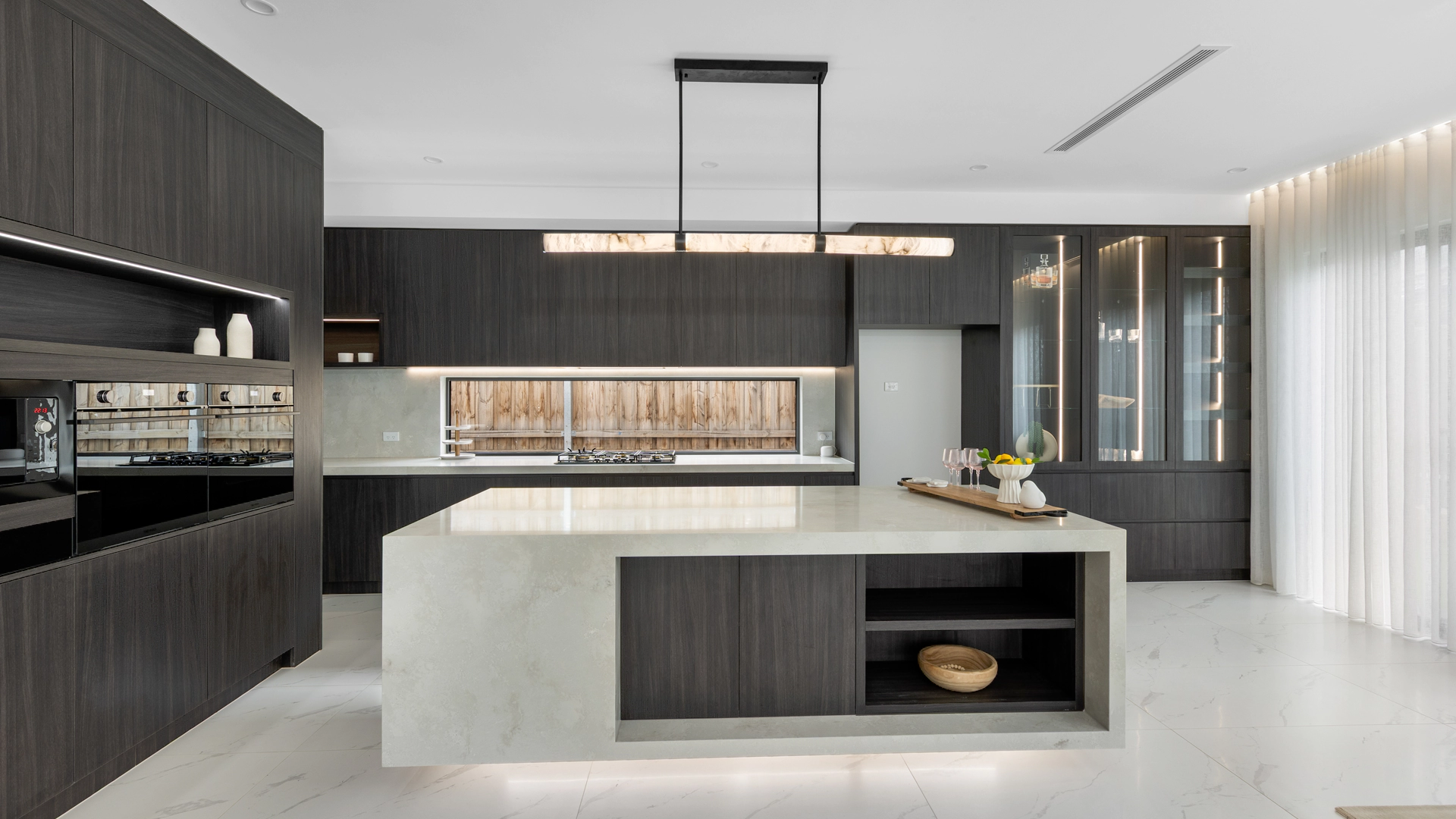
The short answer is no. And here's why.
If you're thinking about building a custom home but don't have a floor plan yet, you're not behind. You don't need to know every room size, have your kitchen designed or arrive with a complete list of inclusions. And you certainly don't need to have your entire home figured out before that first conversation.
At the early stage, something else is much more useful: understanding what you want your new home to do for your family.
The floor plan comes later.
Why Do So Many People Start with Floor Plans?
It's completely natural. Once you start thinking about building, you begin looking at homes online. You save floor plans, notice kitchens, compare facades and start counting bedrooms. Before long, you're wondering whether you need a study, theatre, butler's pantry or second living area.
Those ideas can be helpful, but there is one problem: a floor plan is already a solution. Before choosing the solution, it helps to understand the problem you're trying to solve.
For example, two families might both say, “We want a four-bedroom double-storey home.” But what they actually need from that home could be completely different. One family might have young children and want the home to feel connected, while another may have teenagers and need more separation and privacy. One may entertain every weekend; another may work from home and value quiet spaces more than large entertaining areas.
They need the same number of bedrooms, but probably not the same floor plan.
Looking through different floor plans can help you understand what's possible. Just remember that these are starting points, not decisions you need to make before speaking to a builder.
Start With Your Life, Not the Floor Plan
At the beginning, ask yourself three simple questions.
1. Why are we building?
Maybe your current home is too small, the layout no longer works, your family is growing, you want to stay in your current suburb but create a home that suits you better or you're building your long-term family home.
There is no right answer. You simply need to understand the reason behind the move and shape your home accordingly.
2. What would make everyday life better?
Think less about rooms and more about how you live.
Perhaps you want:
- Better family connection
- More privacy
- More natural light
- Better storage
- Easier entertaining
- Stronger indoor-outdoor living
- A proper place to work from home
- More room for children as they grow
- Space for parents or extended family
You don't need to know how these things should be designed yet. At this stage, you only need to identify the outcome, the design can solve the “how” later.
3. What matters most to us?
Building custom gives you plenty of choices, but every additional feature has implications for the design and budget. Try identifying five things that matter most.
You might want more natural light, a larger kitchen, separate areas for children and adults, better storage or easier access to the garden. There will probably be other things you'd like to include, and that's fine.
Knowing which features are essential and which are flexible will make later decisions easier, especially when you're working within a budget.
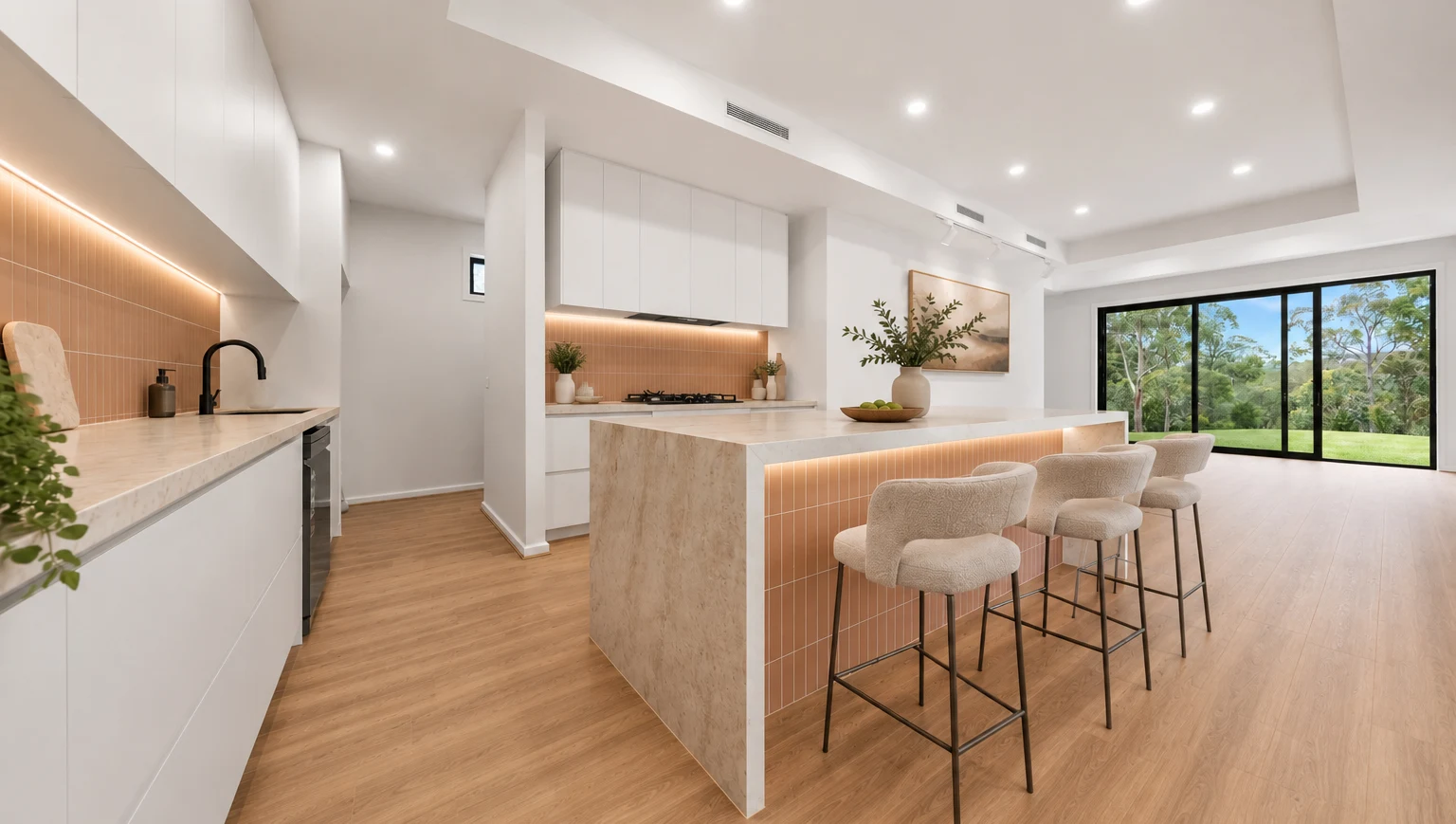
What If You Can't Explain Exactly What You Want?
That's normal too. Many people know how they want their new home to feel long before they know how it should be designed.
You might say: “We want everyone to have their own space, but we still want the family to feel connected.”
Or:
“We entertain a lot and want the kitchen and outdoor area to become the heart of the home.”
Or simply:
“Our current home feels dark, crowded and difficult. We want the next one to feel open and easy to live in.”
Those are useful starting points. You don't need architectural language, you only need an honest understanding of your life.
So, When Should You Speak to a Custom Home Builder?
Earlier than many people think. You should not wait until you have completed plans. A useful early conversation should help bring clarity to what you're trying to achieve, how your family lives, your priorities and your land and budget situation. It can also help identify what information is still missing and what should happen next.
A good custom-home team listens first, asks the right questions and provides a considered process that helps turn your ideas into practical next steps.
What Should You Bring to the First Conversation?
You don't need to prepare a detailed presentation. A few useful details are enough to get the conversation started.
If you have them, bring:
- Property information: Your land address, dimensions or available site documents.
- A general budget: An approximate figure or comfortable spending range.
- Design inspiration: Photos, sketches or layouts that have caught your attention.
- Family requirements: Who will live in the home and how their needs might change.
- Your main priorities: The features you consider essential and those you'd be willing to reconsider.
Don't worry if some information is missing. The first meeting should also help you understand what needs to be investigated, whether that's site conditions, planning requirements or construction costs.
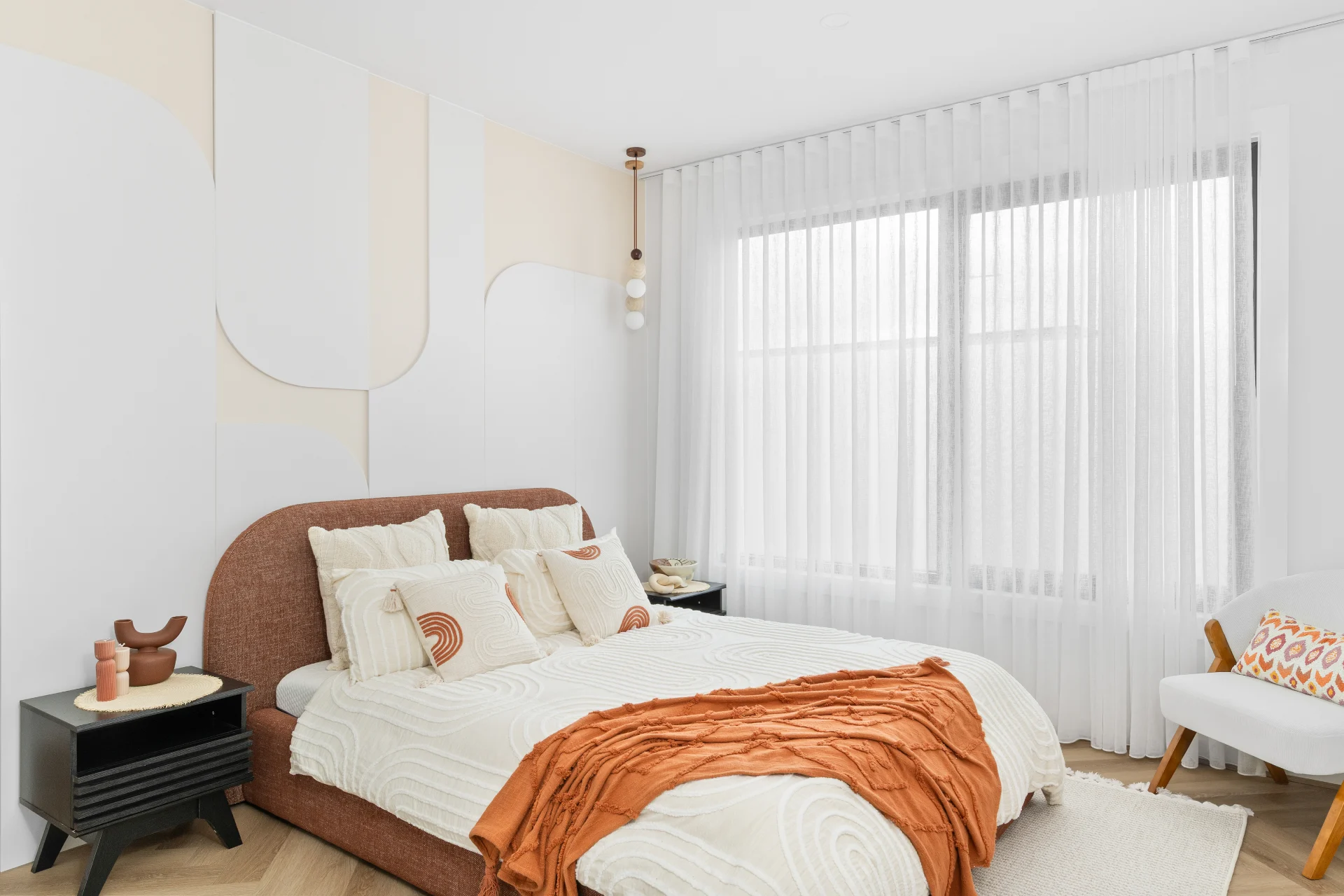
Why Starting This Way Matters
Beginning with your lifestyle and priorities creates a much stronger foundation for everything that follows. It gives context to later decisions about your budget, land, home size, layout, inclusions and overall, home design . It also makes it easier to understand where you want to spend and where you may be comfortable compromising.
Without clear priorities, every idea can start to feel equally important. With clear priorities, decisions become easier. And that is one of the biggest advantages of building custom.
The goal isn't simply to make the home different. It is to make the home right for the people who will live in it.
You Don't Need to Have Your Home Figured Out
If you're at the beginning of your custom-home journey, don't put pressure on yourself to arrive with a finished solution.
Start with:
- Why are we building?
- How do we want to live?
- What matters most to our family?
Then work through the rest one decision at a time with the right guidance. You don't need a floor plan to begin, all you need is a direction and the plan can grow from there.
Planning a Custom Home?
We've created the SHRI Homes Custom Home Planning Guide to help you understand the journey step by step from defining your vision and planning your budget through to design, construction and handover.
The purpose isn't to make you a building expert. It's to help you feel clearer about the decisions ahead, understand what matters and know what your next step should be.
Custom Homes, Made Easy.