
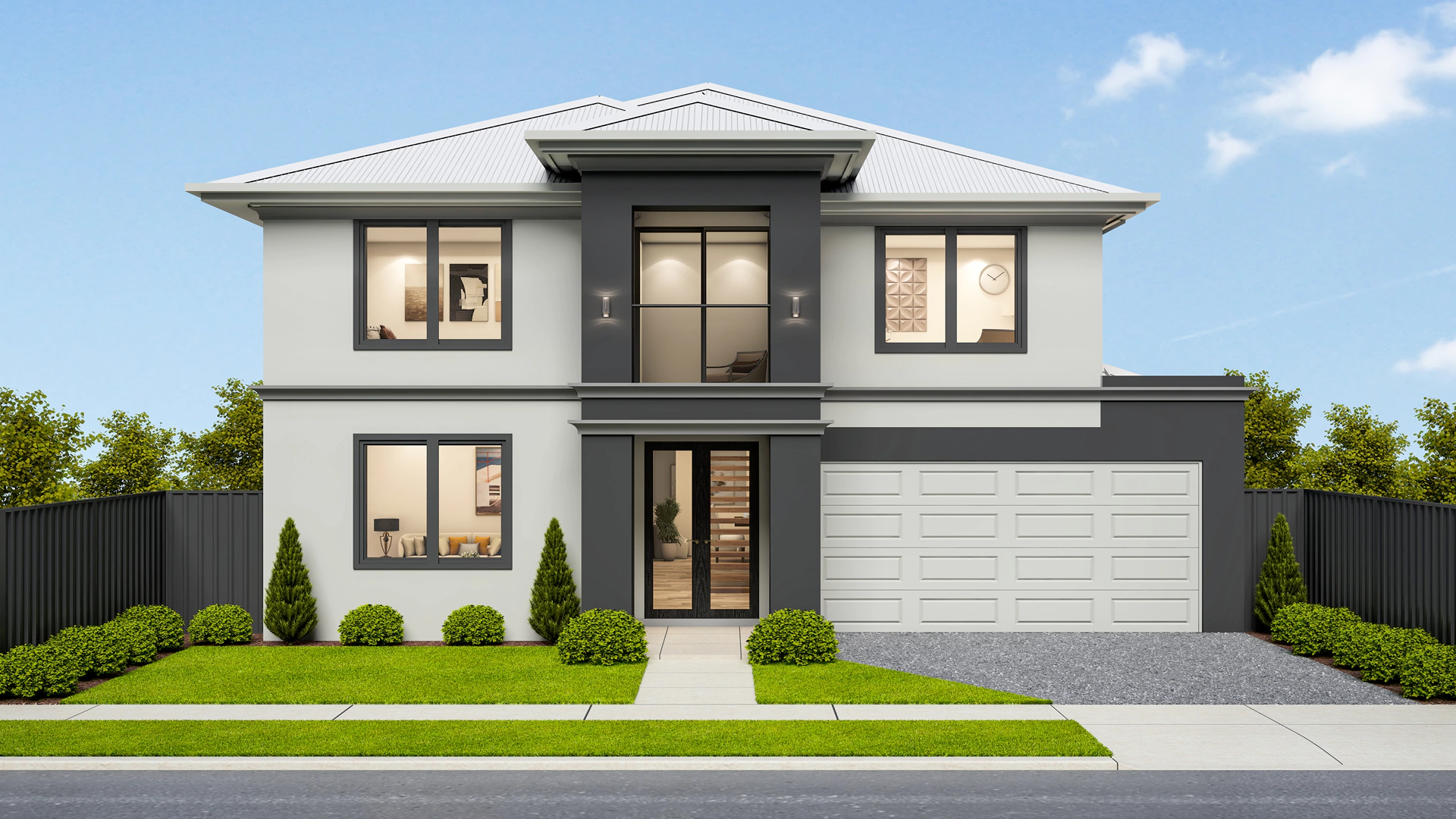
One of the reasons people choose to build a custom home is freedom. Freedom to explore ideas, to create something around their family, to make changes as the design takes shape and freedom to include features they may never have been able to achieve in a standard home.
So, it is completely normal for your ideas to evolve during the design journey. You might start thinking you want one thing and later realise another solution suits you better. You might see something you love. You might understand your floor plan differently once you can actually visualise it. Or a conversation with your builder or designer may open up an option you had never considered.
That is not a problem, it is part of the custom home building process.
The important thing is having a process that lets you explore those ideas while still understanding how the design and budget are developing together.
Explore freely, decide progressively and understand the impact.
That is a much better way to think about managing your custom home budget.
You Don't Need to Finalise Every Detail of Your Custom Home at the Beginning
You do not need to arrive at your first design meeting knowing exactly what every room should look like. In fact, part of the value of a custom home design process is discovering the right solution as you go.
You may initially think: “We need four bedrooms.”
Then, while talking through how your family lives, you realise that having a guest bedroom downstairs with its own ensuite would make much more sense because parents or extended family stay regularly.
Another family may initially plan one large upstairs living area. As their ideas develop, they realise that adding a small kitchenette nearby would make that level much more useful as their children get older.
You may never have thought about a laundry chute until you start considering what everyday life will actually feel like in a double-storey home.
Those ideas do not all need to exist on day one. The design journey should help uncover them.
Good Custom Home Planning Should Give You More Freedom, Not Less
Sometimes “budget planning” sounds like: “Decide everything now so nothing changes.”
That is not the goal. A better process gives you room to explore while helping you understand the consequences of each decision.
For example, a family may initially plan a straightforward rear elevation. As the design develops, they realise there is a beautiful outlook from upstairs and start thinking about a rear balcony.
That could create a calm place to sit outside in the evening, enjoy the view or simply have some quiet outdoor space away from the main backyard.
The response should not be: “You should have decided that earlier.”
The useful conversation is:
“Let’s look at how that idea works with the design, what else it may affect and whether it matters enough to you to include it.”
Now the client still has freedom, but they also have clarity. That is exactly where good guidance adds value.
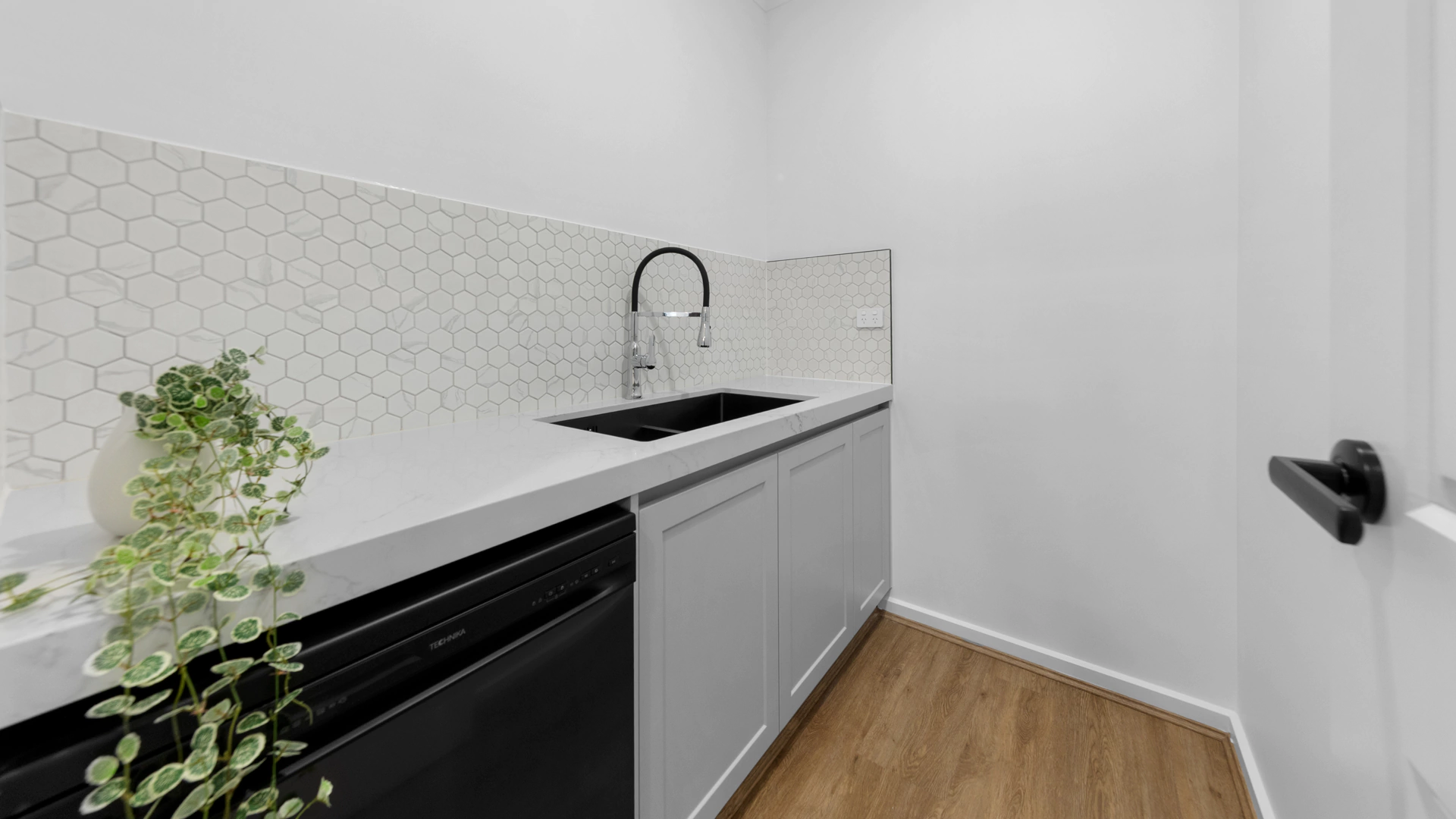
Not Every Custom Home Design Idea Needs an Immediate Yes or No
When you are designing a custom home, you will probably see many things you like. Maybe you visit another home and love the way its ensuite feels. Maybe you realise you would prefer individual ensuites for older children. Maybe a larger walk-in robe becomes more important once you think about how you actually use the space. Or perhaps you discover that having better storage near the garage entry would make everyday life much easier.
The question does not need to be: “Can we have it or not?” A better question is: “What would this add to our home, and what does it change?”
Once you understand that, the decision becomes easier.
Sometimes the answer will be: “Yes. We definitely want this.” Other times, you may decide: “We like it, but something else matters more.”
And sometimes the design team may suggest another way to achieve the same outcome. That is what custom design should allow.
Let Your Custom Home Design Evolve in the Right Order
You do not need to solve the whole house at once. That is where people can become overwhelmed. It is much easier when the journey develops in stages.
First: Understand the Vision
Start by considering:
- What kind of life are you trying to create?
- What needs to work better?
- What does your family value?
- What have you always wanted in your home?
These questions give the project direction.
Then: Develop the Design
Now begin working through:
- Room relationships
- Privacy
- Connection between spaces
- Family needs
- Guest accommodation
- Work-from-home requirements
- Outdoor living
- Future flexibility
- How the home responds to the block
This is where many of the bigger ideas start becoming clearer.
Finally: Bring the Home to Life
Once the design direction is taking shape, you can begin working through:
- Materials
- Finishes
- Colours
- Cabinetry
- Fixtures
- Lighting
- Appliances
- Other details
The custom home building journey becomes much easier when you do not try to choose everything at once. You can work through the decisions one stage at a time.
A Realistic Example of How Custom Home Requirements Evolve
Imagine a family starts planning their home with fairly simple requirements.
They want:
- Four bedrooms
- Comfortable family living
- A home office
- Good storage
- A backyard the children can use
As the design conversations continue, they start thinking more deeply about how the home will work over the next ten years. The children will eventually become teenagers. Parents visit from overseas for longer periods. Both adults sometimes work from home. Now the brief starts evolving.
They may realise:
- A downstairs guest suite would give visiting parents much more comfort and privacy.
- Multiple ensuites may suit the family better as the children get older.
- The upstairs retreat could benefit from a small kitchenette.
- A better mudroom or garage-entry storage area could make mornings much calmer.
- A laundry chute could make daily life in a double-storey home easier.
None of those ideas mean the original brief was wrong. They simply understand the home better now. That is progress.
The role of good planning is to help them see how those ideas fit together and what they mean for the overall project.
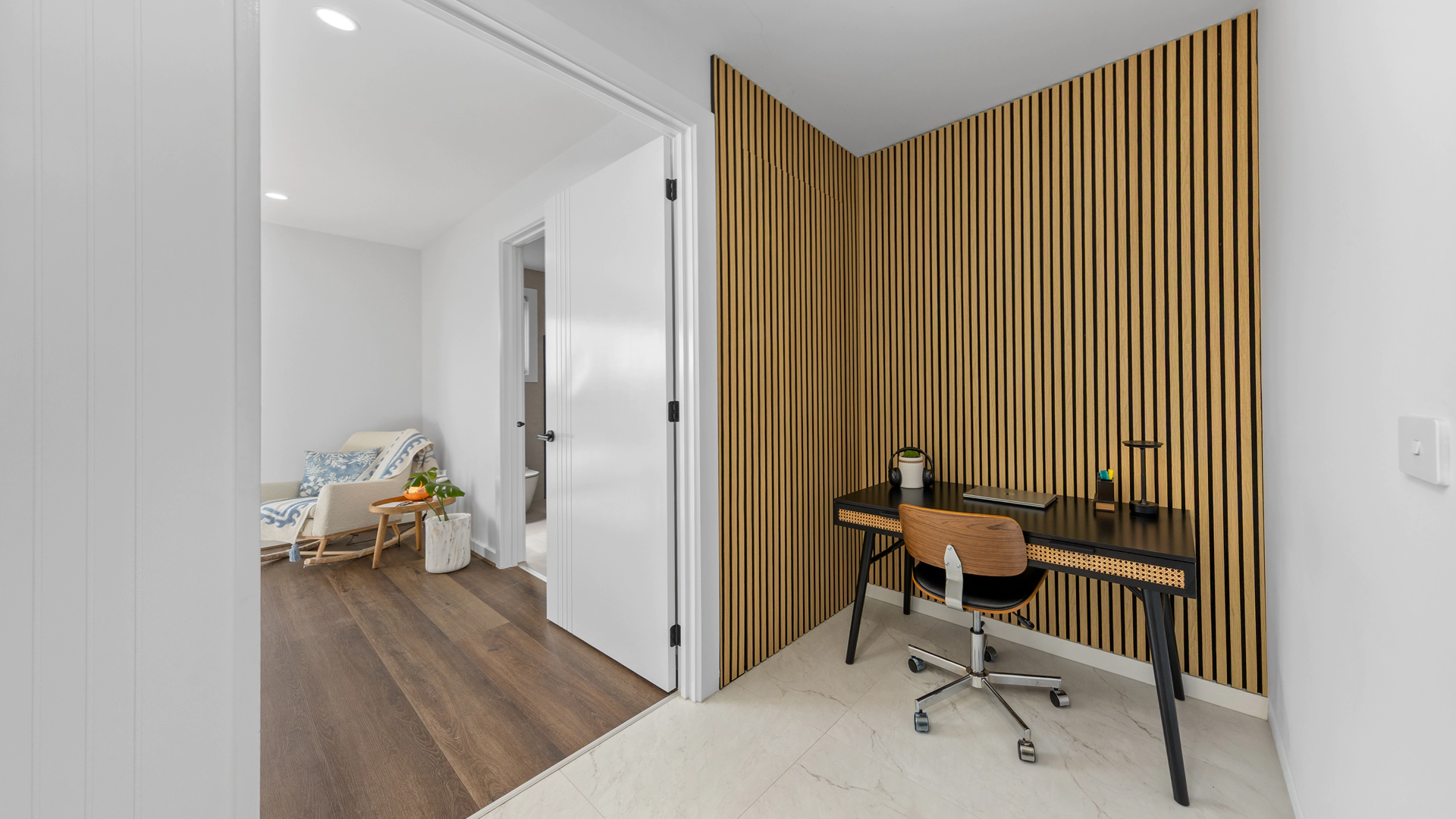
Your Custom Home Vision May Change Along the Way
It is not only practical requirements that evolve, your aspirations can develop as well.
You might begin with one architectural style and later realise another facade feels much more like you. You might see an upstairs balcony overlooking a view and start imagining yourself sitting there with a coffee in the morning. You may initially think the master suite only needs to be functional, then decide you would really value a more generous retreat.
That is okay. A custom home is not supposed to be designed from a fixed checklist. Part of the journey is discovering: “This is what we really want.”
The important part is having enough information to decide whether that idea deserves a place in the home.
Understand How Design Changes Affect Your Custom Home Budget
This is where the builder and design team should help.
If you explore a new idea, you should be able to understand questions such as:
- Does it affect another room?
- Does it change the layout?
- Does it influence the size of the home?
- Does it affect the way the family uses another space?
- Does it change the overall budget?
- Is there another way to achieve the same outcome?
You do not need to answer those questions yourself. That is part of the professional guidance you are paying for.
Your role is to say: “We like this,” or “This is becoming important to us.”
The team can then help you understand what it means.
You Should Be Able to Change Your Mind During the Design Process
This is worth saying clearly. Changing your mind does not mean you have failed to plan properly. Sometimes you cannot know what feels right until you see the design developing.
Maybe you thought you wanted a completely open ground floor but later decide you would appreciate a quieter secondary living area. Maybe you planned the study at the front of the home but later realise another location would provide better privacy. Maybe your children’s rooms evolve because you start thinking about how they will use them as teenagers rather than how they use them today.
These are normal custom home design decisions. Good planning does not eliminate change. It helps you make changes consciously.
Your Custom Home Budget Should Evolve With the Design
This is the real point. The design and the budget should not be treated as two separate parts of the project.
As the home develops, you should gradually gain a better understanding of how the decisions are shaping the overall investment. Not because you are constantly being told to reduce things, but because knowing where the project stands helps you make better decisions.
If you decide to invest more in one part of the home because it genuinely matters to you, that should be an informed choice. If you decide another idea is not important enough to pursue, that should also be an informed choice.
The goal is not: “Keep the number frozen no matter what.” And it is not: “Keep adding without understanding what is happening.”
It is: Let the home and the investment develop together.
Managing Your Custom Home Budget Comes Down to Better Decisions
Most clients do not want to spend the entire design journey thinking about money. They want to enjoy creating their home. That is why the process matters. Good budget management should sit behind the design journey, helping you understand the financial implications without taking away from the experience.
It should help answer:
“Where are we?”
“What does this decision mean?”
“Does this still feel right?”
“Is this worth it to us?”
Having answers to those questions can be more useful than simply deciding that no changes will be allowed.
How the Right Custom Home Builder Helps You Manage Design and Budget
You should not have to manage this alignment alone.
The right custom home builder and design team should help you understand:
- Where the project currently sits
- What decisions matter at this stage
- Which decisions can wait
- How a new idea affects the design
- Whether there are alternative ways to achieve the outcome
- What impact a change may have on the overall project direction
The process should not make you feel restricted. It should make you feel supported. You should be able to explore ideas without feeling that every question is a problem.
And when a decision does have an impact on the design or construction budget, you should understand it before committing.
Three Questions to Ask Before Adding a New Feature to Your Custom Home
When something new comes up, ask three questions:
Why do we like this?Is it practical? Does it improve our lifestyle? Is it simply something we have always wanted? All are valid.
How important is it to us?Does it deserve to shape the home? Or is it simply something interesting we have seen?
What does it affect?Let the builder or design team help you understand that part. Then decide.
You do not need to turn every decision into a major analysis. These questions can help you decide whether an idea is worth exploring further.
The SHRI Homes Perspective
We believe flexibility is one of the real benefits of building custom. Your home should be allowed to evolve as you better understand what you want. But flexibility is most valuable when you also have clarity.
That means:
- Explore freely. Bring your ideas. Ask questions. Change your mind when something genuinely feels better.
- Decide progressively. You do not need every answer on day one. Work through the home one stage at a time.
- Understand the impact. When something changes, understand what it means for the design and investment before deciding.
That keeps the process exciting without making it feel out of control.
Planning Your Custom Home?
Our Custom Home Planning Guide helps you understand the journey one stage at a time, from your vision and budget through to design, materials, selections and construction. You do not need every answer at the beginning.
You need a clear next step, the freedom to explore and the right guidance as the home develops.
SHRI Homes
Custom Homes, Made Easy.